
The Art of Haggling: Pros and Cons for Travelers
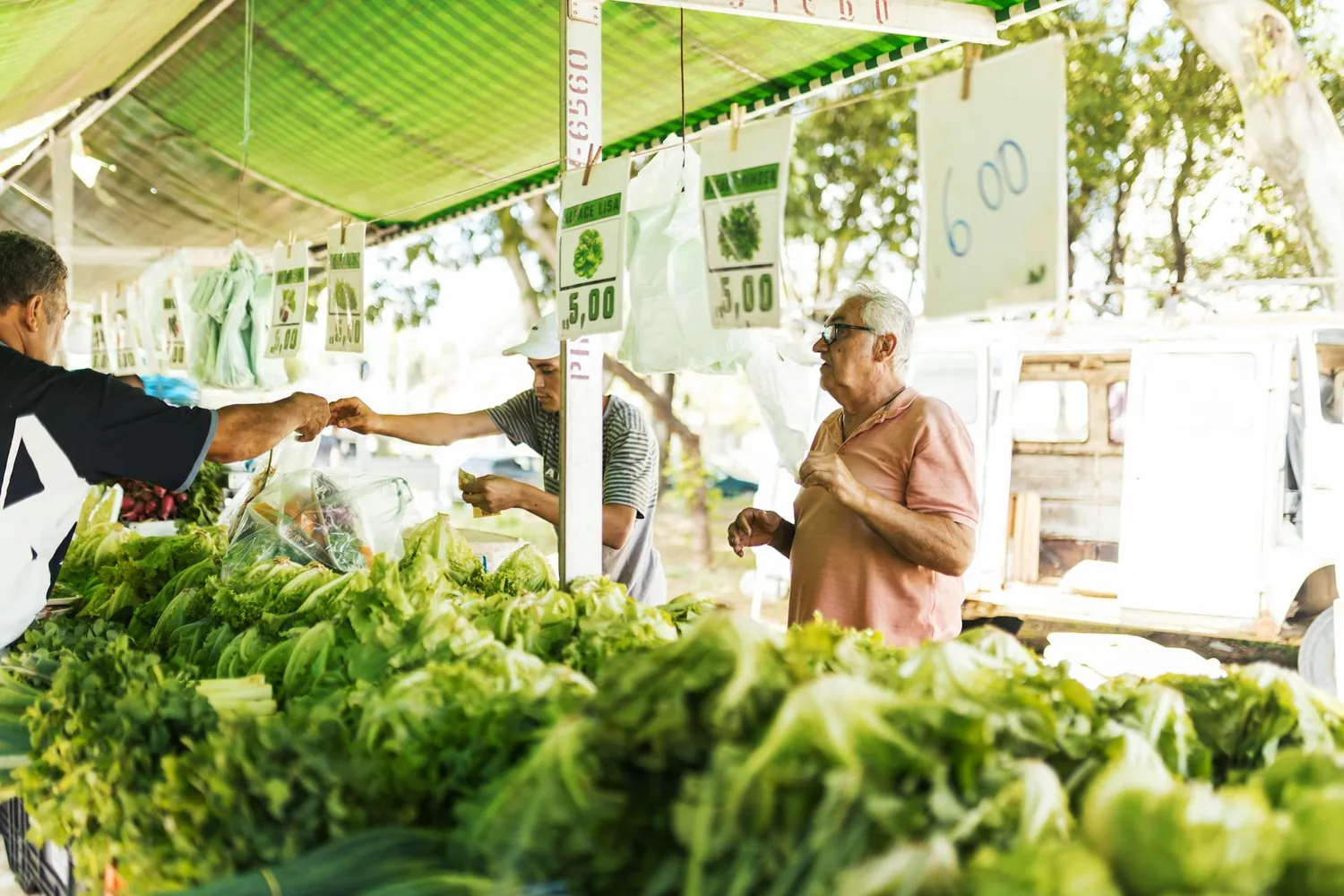
Understanding the Importance of Haggling
Traveling opens the door to diverse cultures, vibrant experiences, and unique shopping opportunities. One crucial aspect of these experiences, especially in markets across Asia, Africa, and the Middle East, is haggling. Understanding how to haggle can transform a simple shopping excursion into a culturally enriching encounter, allowing you to secure authentic souvenirs without overspending.
However, haggling is not merely about getting a good deal; it's an art form that reflects respect, patience, and understanding of local customs.
The Pros of Haggling
Saves Money
One of the primary benefits of haggling is cost savings. Vendors in many local markets expect customers to negotiate prices. By skillfully negotiating, you can often purchase items at significantly lower prices than initially quoted.
Enhances Cultural Experience
Engaging in haggling offers a deeper insight into the culture you're visiting. It provides a chance to interact directly with locals, learn about their lives, and understand market dynamics. This personal exchange adds value to your travel experience.
Secures Unique Souvenirs
Markets are treasure troves of unique items that embody the essence of local culture. Through haggling, travelers can take home distinct souvenirs with stories attached to each negotiation, making them far more meaningful than mass-produced alternatives.
The Cons of Haggling
Time-Consuming
Haggling can be a lengthy process. Travelers may find themselves spending more time negotiating than initially planned, which can disrupt tightly scheduled itineraries.
Cultural Misunderstandings
A lack of understanding of local haggling norms can lead to misunderstandings. What is considered an acceptable bargaining practice in one culture might be offensive in another. It's important to research and respect local customs before attempting to haggle.
Puts Pressure on Travelers
Not everyone is comfortable with confrontation or negotiation. For some travelers, the pressure to haggle can lead to stress and discomfort, turning what should be an enjoyable activity into an unpleasant one.
Practical Tips for Effective Haggling
Research Market Prices
Before heading to the market, research typical prices for items you intend to buy. Online forums and travel guides can provide valuable insights into local pricing norms.
- Check similar products in multiple stalls to gauge average asking prices.
- Ask locals or fellow travelers about fair pricing standards.
Start with a Smile
A positive demeanor goes a long way. Begin the interaction with a smile and friendly conversation. Building rapport with the vendor sets a positive tone for negotiations.
Make the First Offer
Once you've determined what you're willing to pay based on your research, make an initial offer slightly lower than your maximum price. This allows room for negotiation.
Be Prepared to Walk Away
The willingness to walk away is a powerful bargaining tool. Often, showing disinterest prompts vendors to lower their prices as you leave.
- If the vendor doesn't meet your price, thank them politely and move on.
- If they counter-offer as you walk away, reassess the offer's value before accepting.
Respect Cultural Nuances
Cultural sensitivity is crucial when haggling. In some cultures, aggressive negotiation is seen as disrespectful. Be aware of local customs and adjust your haggling approach accordingly.
- Research the country's negotiation etiquette before visiting markets.
- Observe how locals negotiate and follow suit.
Scenario: Haggling at a Moroccan Market
Imagine you're in a bustling market in Marrakech, eyeing a beautifully crafted lantern. The vendor quotes 500 dirhams. Drawing from your research, you know similar lanterns range between 200 and 400 dirhams.
- You start by admiring the lantern's craftsmanship and engaging in light conversation about its origins.
- With a friendly smile, you offer 200 dirhams. The vendor counters with 450 dirhams.
- You then offer 300 dirhams, explaining that it's the best you can do while showing genuine interest in purchasing the item.
- The vendor hesitates but eventually agrees to 350 dirhams after further discussion.
You leave the market with your lantern and a sense of accomplishment for having engaged in this cultural exchange successfully.
A Process Checklist for Haggling
- Research typical market prices before visiting.
- Initiate conversation with a friendly demeanor.
- Make an initial offer below your maximum budget.
- Engage in back-and-forth negotiation respectfully.
- Be prepared to walk away if necessary.
This checklist serves as a guideline to enhance your haggling skills, ensuring you enjoy this cultural aspect of travel while respecting local norms.