
Pre-Trip Preparation Insights to Enhance Your Solo Travel Experience
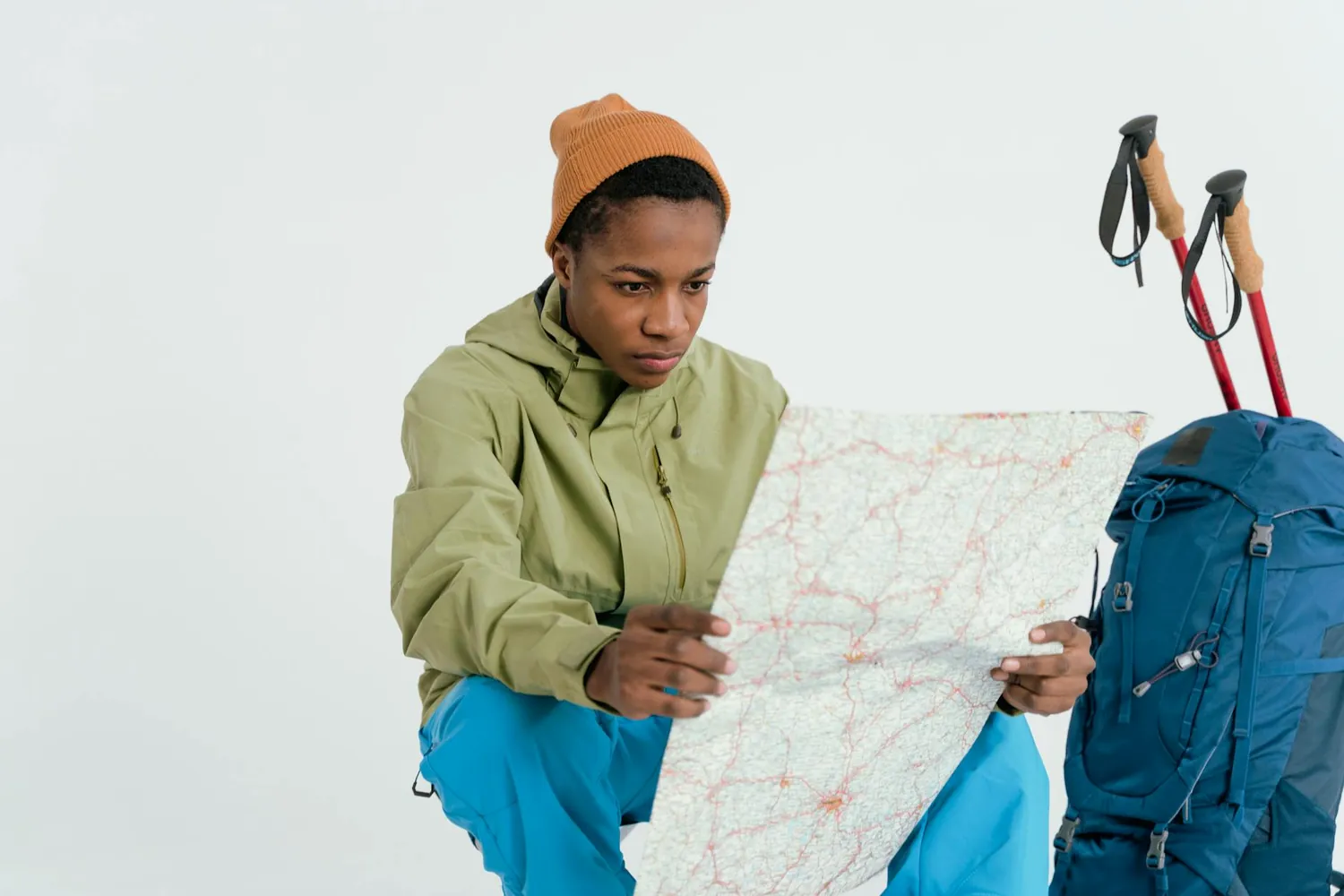
Understanding the Importance of Pre-Trip Planning
Embarking on a solo journey can be one of the most enriching experiences of a lifetime, offering opportunities for personal growth and discovery. However, traveling alone also necessitates careful preparation to ensure your safety and well-being. This guide will provide essential insights into pre-trip planning, focusing on personal security, effective communication, and emergency planning tailored specifically for solo travelers.
Research Your Destination Thoroughly
Before setting off on your adventure, invest time in understanding your destination. Consider cultural norms, local laws, and political climates which might impact your travel experience. Websites like the U.S. State Department's travel advisories or the UK Foreign Office provide up-to-date safety information.
For example, some countries have specific dress codes that you might need to adhere to, while others may have areas best avoided due to unrest or high crime rates. By aligning with local practices, not only do you show respect, but you also enhance your safety.
Arrange for Secure Accommodation
Opt for accommodations known for their safety and traveler-friendly environments. Platforms like Airbnb allow you to stay in a private home with reviews and ratings available from previous guests. Hostels and hotels with round-the-clock security are also a good choice. Consider choosing places that offer female-only dorms if applicable, ensuring an added layer of comfort and security.
Packing with Safety in Mind
When packing for solo travel, the focus should be on minimalism yet sufficiency. Carrying fewer items means you can move more quickly and reduce the risk of losing valuables.
- Essentials: Keep crucial items like a photocopy of your passport, important contacts, and any necessary medications on your person at all times.
- Technology: Consider investing in a portable charger and universal adapter. Download offline maps and key travel apps such as Google Translate for better navigation and communication.
- Security items: A money belt can keep cash and cards safe, while a door stop can be used in hotel rooms for extra security during the night.
Framework for Safe Solo Travel
This mini-framework provides actionable steps that can greatly enhance your safety during solo travel.
1. Pre-Trip Preparation
- Travel Insurance: Never leave home without comprehensive travel insurance that covers health emergencies and theft.
- Secure Communication: Share your itinerary with someone you trust back home and set check-in intervals. Apps like WhatsApp allow free international communication.
2. Staying Alert While Out
- Blend In: Dress like a local to avoid attracting unwanted attention. Avoid wearing expensive jewelry or carrying large sums of cash.
- Mind Your Surroundings: Always be aware of exits in new places like restaurants or museums, and keep track of your belongings.
3. Emergency Contact Plan
- Create a List: Include local emergency numbers, the nearest embassy or consulate, and contacts at home.
- Know Local Laws: Understanding what constitutes an emergency situation in the local context can help in knowing when to reach out for help.
Navigating Communication Barriers
A significant part of staying safe is being able to communicate effectively even when there's a language barrier. Use translation apps to bridge gaps, but also learn a few key phrases such as "help," "police," or "doctor." Simple gestures can also go a long way in overcoming communication hurdles.
The Role of Technology in Solo Travel Safety
Modern technology offers myriad solutions that enhance safety while traveling alone. Some practical tools include:
- GPS Tracking: Apps like Find My Friends enable family or friends to track your location in real-time.
- Mobile Security Apps: Applications such as Life360 offer emergency alerts and location sharing services tailored for travelers.
Local Engagement as a Safety Measure
Building rapport with locals can serve as both a cultural enrichment activity and a safety measure. Participating in community activities such as cooking classes or guided tours not only enriches your experience but offers insights into local safety tips. Locals can often provide firsthand advice on areas to visit or avoid.
Crisis Management: What To Do If Things Go Wrong
No matter how well-prepared you are, unexpected situations can arise. Here’s how you can manage crises efficiently:
- Stay Calm: Panicking can cloud judgment; take deep breaths and assess the situation logically.
- Reach Out: Utilize your emergency contact list immediately. If involved in legal issues, contact your embassy or consulate.
Your preparedness can make all the difference between an adventure-filled trip and a problematic experience. Always remember that being well-prepared is not about fostering paranoia but ensuring you’re equipped to handle various scenarios adeptly.