
local expertise through apps: a viable alternative to guides?
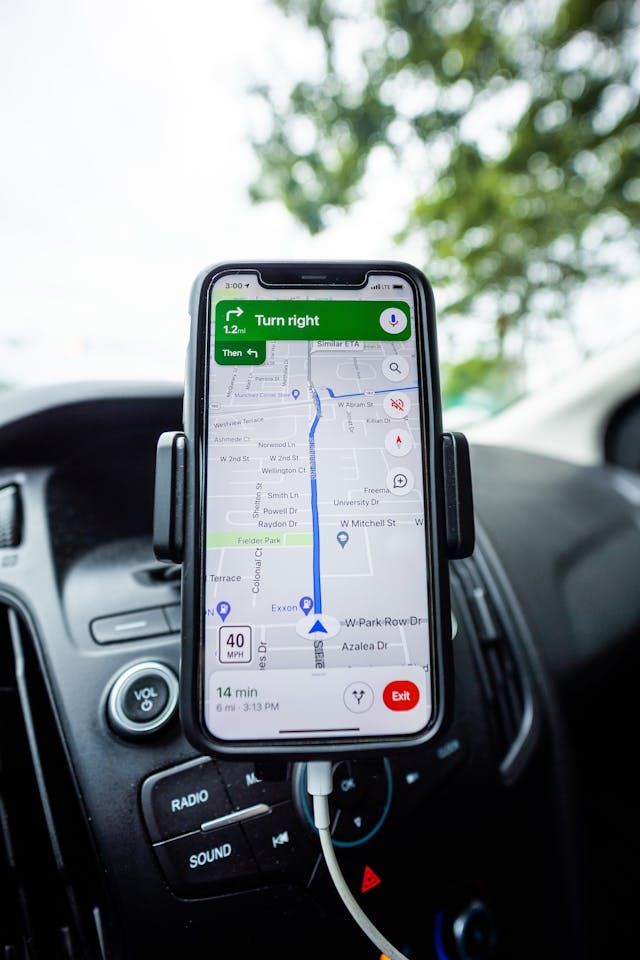
The Rise of Travel Apps
In recent years, the advent of mobile technology has significantly transformed the way we travel. The availability of various travel apps has provided globetrotters with an unprecedented level of access to local insights, often touted as a feasible alternative to traditional tourist guides. But how do these digital platforms stack up against seasoned professionals when it comes to delivering authentic experiences?
This article delves into the strengths and limitations of relying on travel apps versus employing local guides, helping you decide which option best suits your travel aspirations.
Understanding the Value of Local Expertise
Traditional tourist guides have long been the mainstay for travelers seeking to immerse themselves in the culture and history of their destinations. These individuals often possess extensive knowledge about the local area, its history, and its hidden gems.
- Historical Context: Guides can provide a deep understanding of historical sites, offering stories and anecdotes that add color to otherwise static ruins or artifacts.
- Personal Recommendations: Experienced guides can suggest off-the-beaten-path restaurants or attractions that might not feature prominently in guidebooks or apps.
- Language Skills: In regions where language barriers exist, a guide can bridge the gap, ensuring smooth communication with locals.
Despite these advantages, guides might sometimes adhere to structured itineraries, potentially limiting spontaneous exploration.
The Appeal of Travel Apps
Travel apps have revolutionized how information is accessed and consumed on-the-go. They cater to the modern traveler's desire for flexibility and customization.
- Real-time Information: Apps provide up-to-date information, including weather forecasts, public transportation schedules, and local events.
- Customization: With apps like Airbnb Experiences or Viator, travelers can tailor their activities according to personal preferences.
- User Reviews: Platforms such as TripAdvisor offer peer reviews and ratings, providing insight into what other travelers found worth visiting.
However, apps rely heavily on user-generated content which may lack depth or context compared to a knowledgeable guide.
Case Study: Exploring Rome
Imagine visiting Rome—a city rich in history and culture. Here's how you might explore it using both approaches:
Using a Traditional Guide
- Join a guided tour of the Colosseum where your guide shares captivating tales of gladiators and emperors.
- Stroll through the Vatican Museums with a knowledgeable guide who elucidates the significance of Michelangelo's work in the Sistine Chapel.
- Visit Trastevere based on your guide's recommendation to experience vibrant local nightlife and authentic Roman cuisine.
The personal touch and storytelling from the guide bring history to life, enhancing your experience.
Navigating Rome with Apps
- Use Google Maps to plan your day, checking opening times and navigating public transport effortlessly.
- Consult Yelp for lunch at a highly-rated trattoria popular among locals.
- Download an augmented reality app to explore ancient sites independently, gaining virtual insights into historical contexts.
The freedom to explore at your own pace is empowering but may lack the depth offered by guided commentary.
The Pros and Cons
The Benefits of Using Travel Apps
- Flexibility: You can change plans on a whim without being tied to a group schedule.
- Cost-effective: Many apps are free or inexpensive compared to hiring a private guide.
- Access to Diverse Perspectives: User-generated content offers multiple viewpoints, enriching your travel narrative.
The Advantages of Hiring a Local Guide
- Cultural Insight: Guides often possess cultural knowledge that apps can't match.
- Safety: A guide can provide safety tips specific to their locale.
- Interactive Experience: Engage in discussions and ask questions directly for clarification or deeper understanding.
When to Use Each Approach
The decision between using an app or hiring a guide depends on several factors including destination type, trip duration, and personal preference.
Guides are Ideal For:
- Culturally-rich destinations where historical context enhances understanding (e.g., Egypt's pyramids).
- Linguistically complex regions where translation aids interaction (e.g., rural areas in China).
Apps Work Well When:
- Your itinerary is fluid, allowing for spontaneous decisions and changes.
- You are traveling on a budget but still want rich experiences through crowdsourced insights.
A Practical Checklist
If you're planning a trip soon, consider these steps for leveraging both options effectively:
- Research your destination in advance. Identify key attractions and decide which ones might benefit from a guided tour versus independent exploration.
- Download essential travel apps related to navigation, dining, and attractions before you depart. Ensure they work offline if internet access will be limited.
- If hiring a guide, read reviews and verify credentials through reputable agencies. Personal recommendations from fellow travelers can also be invaluable.
Ultimately, combining both methods can provide a balanced perspective, allowing you to enjoy the best of both worlds: the flexibility of digital tools along with the enriched context from local experts.