
Exploring the Vibrant Street Food Markets of Peru's Amazon Jungle
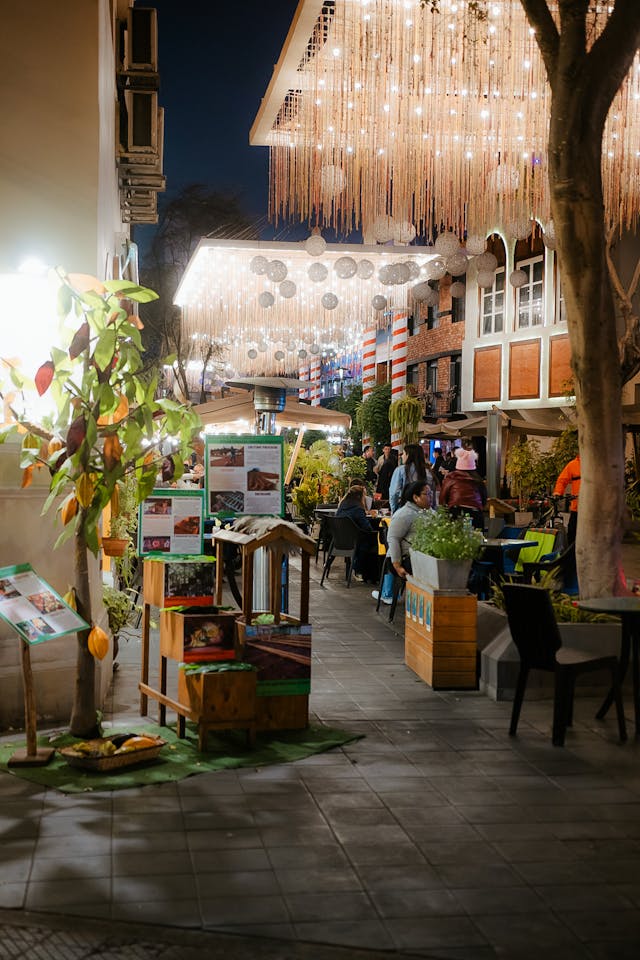
Discovering the Culinary Heart of the Amazon
The Amazon jungle of Peru is not just a haven for biodiversity and breathtaking natural beauty; it also harbors a vibrant street food culture that offers an authentic taste of indigenous traditions. From bustling markets to quaint street stalls, exploring the culinary offerings here is akin to embarking on a gastronomic adventure into the heart of the rainforest.
The Significance of Street Food in Peruvian Culture
Street food plays a pivotal role in Peru's cultural fabric, acting as a bridge between its rich history and modern life. In the Amazon, this connection is further enriched by the infusion of native ingredients and age-old culinary techniques passed down through generations. The result is a tapestry of flavors that tell stories of the land and its people.
Iconic Dishes of the Amazonian Street Food Scene
Juane: A Festive Staple
One of the most iconic dishes you’ll encounter is Juane. Traditionally prepared during the festival of San Juan, this dish symbolizes the fusion of Spanish and indigenous culinary influences. A typical juane consists of rice mixed with meat, usually chicken or pork, seasoned with a variety of Amazonian herbs and spices, then wrapped in banana leaves and boiled.
The unique cooking process imparts a subtle earthy flavor to the dish, making it both fragrant and flavorful. Travelers often find the preparation of juanes mesmerizing, as vendors skillfully wrap them in leaves, securing them with twine for boiling. This dish isn’t just food; it’s a glimpse into the region’s festive traditions.
Tacacho with Cecina: The Perfect Pair
If you’re looking for something hearty, Tacacho with Cecina should be on your list. Tacacho is made from mashed plantains seasoned with pork fat, creating a satisfying balance between sweetness and savory richness. When paired with cecina—sun-dried, salted pork or sometimes beef—the combination becomes a must-try culinary delight.
This dish exemplifies how local ingredients are revered and utilized to their fullest potential, often becoming a favorite among locals and tourists alike. Enjoying tacacho fresh off the grill with its smoky aroma enveloping you is an experience that truly encapsulates Amazonian dining.
Navigating the Markets: Tips for Travelers
Engage with Local Vendors
To fully appreciate the street food scene, engaging with vendors can offer insights into the traditional practices and stories behind each dish. Most sellers are eager to share their heritage and provide cooking tips or explain the significance of their ingredients.
Whether through a friendly conversation or simply observing their craft, such interactions can enhance your culinary journey significantly.
Timing Your Visits for Freshness
The best time to visit these vibrant street markets is early morning or late afternoon when vendors are setting up their stalls with freshly prepared items. This ensures you get to sample dishes at their peak freshness.
Many markets start bustling around 6 AM, as breakfast is an important meal in Peru, and stalls tend to replenish in the late afternoon around 4 PM to cater to dinner crowds.
Cultural Considerations and Culinary Adventures
Understanding Ingredients and Allergens
Given the unique flora and fauna of the Amazon, many ingredients might be unfamiliar to travelers. It’s essential to inquire about ingredients if you have dietary restrictions or allergies. Items like nuts, spices, and local grains can be unexpected allergens.
For adventurous eaters without restrictions, this exploration provides an opportunity to discover new flavors and textures unique to Amazonian cuisine.
Respecting Local Customs
When dining in Peru's Amazon region, showing respect for local customs and traditions is crucial. Many dishes are part of significant cultural rituals or celebrations, so understanding their context can enrich your experience.
- Always greet vendors with a smile; even if there’s a language barrier, gestures go a long way.
- Consider trying new foods even if they look unfamiliar—most are crafted with care and pride.
Bringing Back Amazonian Flavors
Sourcing Ingredients as Souvenirs
For those wanting to bring a taste of Peru back home, sourcing dry ingredients like coffee beans, spices such as sacha culantro, or even packaged teas is a great option. These make for perfect souvenirs that capture the essence of your travels.
Markets in larger cities like Iquitos often offer vacuum-sealed options ideal for travel.
Culinary Workshops and Tours
Participating in culinary workshops or guided food tours can also deepen your understanding of Amazonian flavors. Many local chefs offer short courses where you can learn to make traditional dishes like juane or tacacho yourself.
This hands-on experience not only enhances your appreciation for these dishes but also allows you to recreate them at home, sharing your Amazonian adventure with friends and family.
The Enduring Allure of Amazonian Cuisine
Peru's Amazon jungle street food markets offer more than just a meal—they provide a sensory journey through history, tradition, and nature. As you traverse these markets, sampling dishes steeped in cultural heritage, you're not just tasting food; you're savoring stories passed down through generations.
Whether you're an avid foodie or a curious traveler seeking new experiences, the vibrant street food culture of Peru's Amazon is bound to leave a lasting impression.