
a culinary journey through Berlin: tradition meets modern gastronomy
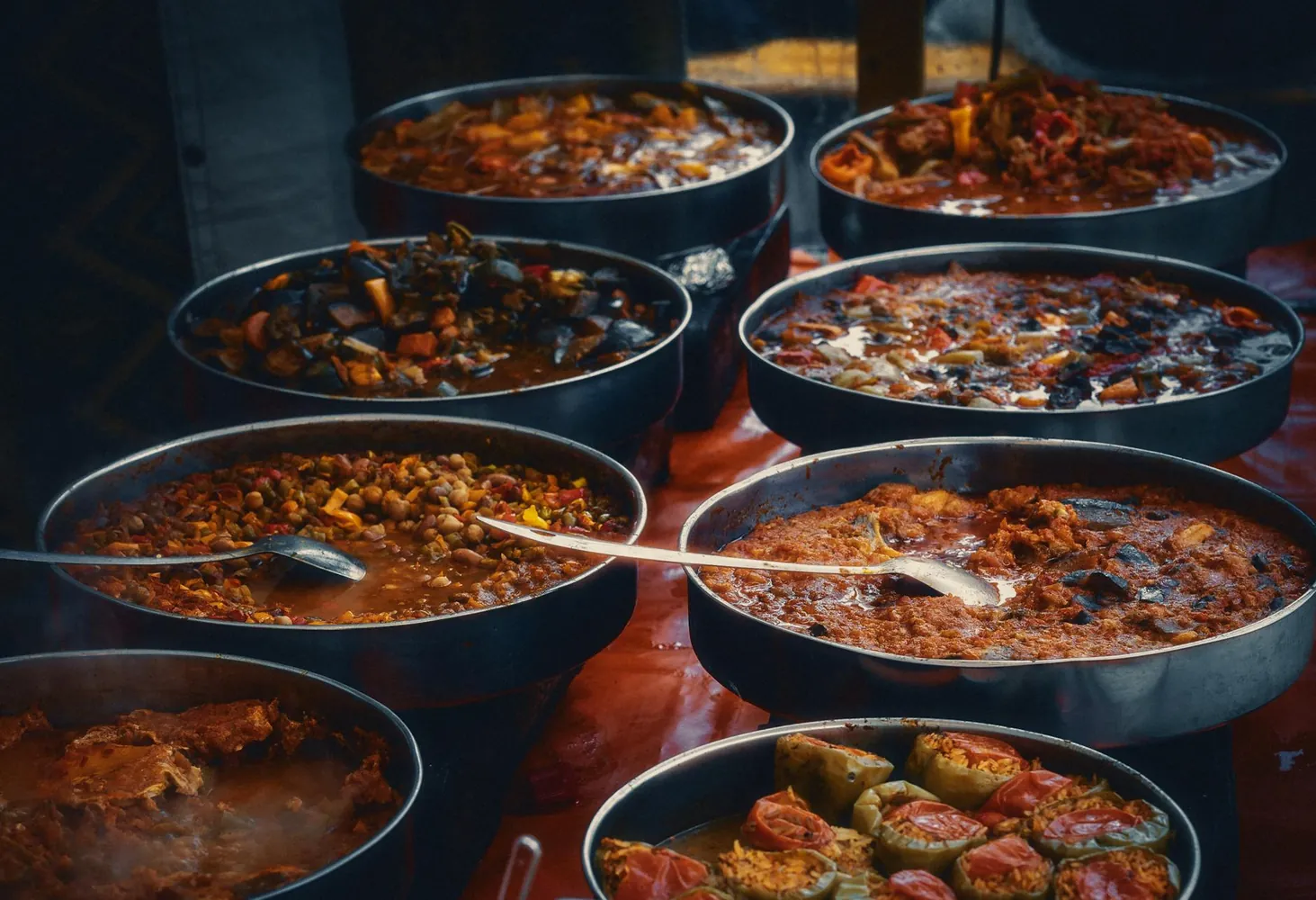
The Culinary Landscape of Berlin
Berlin is a city where history and modernity coexist, not only in its architecture and culture but also in its culinary offerings. From traditional German eateries serving time-honored recipes to contemporary restaurants pushing the boundaries of flavor, the city's food scene is as diverse as its history. In this article, we'll explore the trade-offs between dining at traditional German restaurants and contemporary eateries in Berlin, focusing on aspects such as authenticity versus innovation, ambiance, and customer experience.
Traditional German Restaurants: A Taste of History
Traditional German restaurants, or 'Gaststätten', offer diners an authentic taste of Germany's rich culinary heritage. These establishments are characterized by their classic menus featuring staples such as schnitzel, sauerkraut, and hearty stews.
Pros of Traditional Dining
- Authenticity: For travelers seeking to immerse themselves in local culture, traditional restaurants provide a window into Germany's culinary past. The recipes are often passed down through generations, ensuring an authentic dining experience.
- Ambiance: Many traditional eateries are housed in historic buildings with rustic interiors that evoke a sense of nostalgia. The warm wood tones and vintage decor create a cozy atmosphere perfect for enjoying comfort food.
- Consistent Quality: Traditional dishes have stood the test of time, meaning the quality is often reliable and consistent. Diners can expect familiar flavors executed with expertise.
Cons of Traditional Dining
- Lack of Variety: Traditional menus can be limited in scope, focusing heavily on meat-based dishes and offering fewer options for vegetarians or those seeking lighter fare.
- Conservative Flavors: While authentic, the flavor profiles are typically less adventurous compared to contemporary gastronomy.
Contemporary Eateries: Innovation and Creativity
On the other end of the spectrum are contemporary eateries that experiment with ingredients and presentation. These restaurants reflect Berlin's vibrant art scene and embrace culinary innovation.
Pros of Contemporary Dining
- Innovative Cuisine: Contemporary eateries often blend traditional techniques with new ingredients, creating unique dishes that surprise and delight diners. Expect to find fusion dishes that challenge the palate.
- Diverse Options: These restaurants cater to a variety of dietary preferences, offering creative vegetarian, vegan, and even gluten-free options.
- Modern Ambiance: With sleek interiors and avant-garde design elements, contemporary restaurants provide a visually stimulating dining experience. Many establishments also incorporate art installations or live music into their settings.
Cons of Contemporary Dining
- Inconsistency: Innovative dishes can sometimes be hit or miss, with some experiments not resonating with all diners.
- Higher Prices: The creativity and quality ingredients used in these eateries often come at a premium cost.
Balancing Tradition and Modernity: When to Choose Each
The choice between traditional and contemporary dining in Berlin depends largely on what you're seeking from your culinary experience.
For Cultural Immersion
If your goal is to dive deep into German culture and savor the time-tested flavors that define it, opting for a traditional restaurant is your best bet. Establishments like Zollpackhof, located along the Spree River, offer classic Bavarian dishes amidst a historical setting.
For Culinary Adventure
Conversely, if you're looking to explore new flavors and enjoy an interactive dining experience, contemporary restaurants such as Nobelhart & Schmutzig, known for its focus on regional ingredients and innovative presentations, should top your list.
A Hybrid Experience
Some restaurants in Berlin are successfully bridging the gap between tradition and innovation. Tafelrunde, for instance, integrates classic German recipes with modern plating techniques and unexpected ingredient pairings. This hybrid approach offers the best of both worlds.
Practical Tips for Dining in Berlin
Whether you choose traditional or contemporary dining options, here are some practical tips to enhance your gastronomic journey in Berlin:
- Reservation Recommendations: Popular restaurants can fill up quickly, so booking a table in advance is advisable, especially during weekends or holidays.
- Tasting Menus: Opt for tasting menus when available. These often provide a curated experience showcasing a restaurant's best offerings.
- Cultural Etiquette: Understanding basic German dining etiquette can enhance your experience. For instance, waitstaff appreciate a polite 'Guten Appetit' before you start eating.
The Verdict: Your Choice Awaits
The culinary journey through Berlin presents travelers with choices that cater to various tastes and preferences. Whether you're inclined towards the comforting embrace of tradition or the bold strokes of modern gastronomy, Berlin offers a myriad of experiences that promise to tantalize the taste buds. As you navigate through these dining options, remember that each meal is not just about the food but also about experiencing the city's unique cultural tapestry woven through its gastronomy.