
Weighing Benefits: Full-Service Airlines Versus No-Frills Carriers
Understanding the Basics of Airline Categories
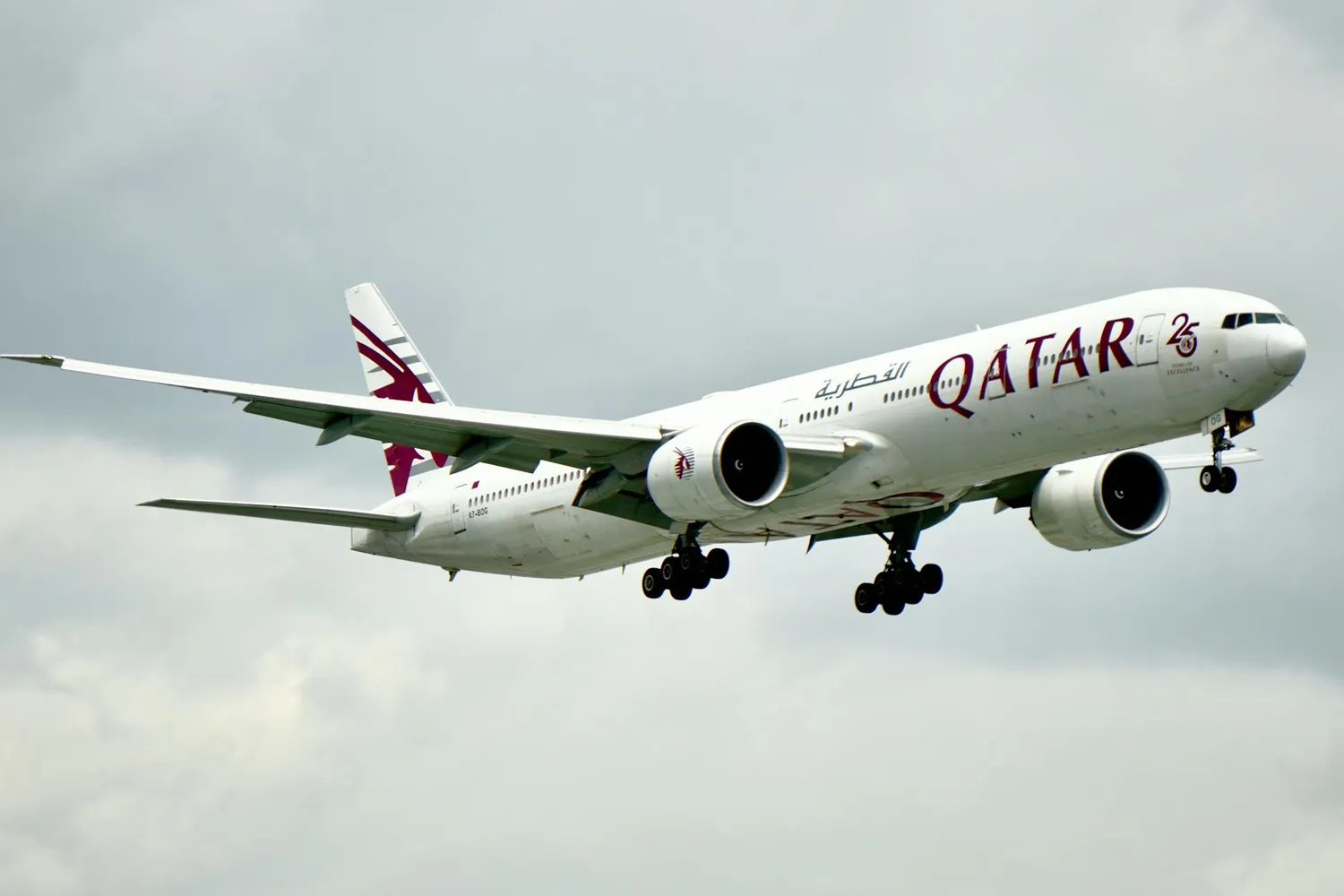
When planning your air travel, one of the most crucial decisions is choosing between full-service airlines and no-frills carriers. Each option offers distinct advantages and disadvantages that can greatly affect your travel experience. Full-service airlines, also known as legacy carriers, offer a comprehensive package that includes checked baggage, meals, and entertainment. In contrast, no-frills carriers focus on providing low-cost fares by minimizing additional services.
Cost Considerations: Where Your Money Goes
The primary allure of no-frills carriers is their cost-effective pricing model. They often start with rock-bottom fares, but it's essential to be aware of the potential add-ons. Charges for baggage, seat selection, food, and even printing boarding passes can quickly add up. For instance, a $50 ticket can easily become $150 after selecting necessary options like luggage.
Full-service airlines usually include these extras in their ticket price, providing a more predictable total cost. However, this convenience comes at a higher upfront price. Consider a direct comparison: a flight from New York to Los Angeles might cost $200 on a no-frills carrier versus $350 on a full-service airline. Yet, when you factor in a checked bag and an inflight meal, the difference might narrow significantly.
Pricing Strategy: Key Points to Consider
- Flexibility: No-frills carriers often charge for changes or cancellations, whereas full-service airlines might offer more lenient policies.
- Loyalty Programs: Frequent flyers can benefit from loyalty points with full-service airlines, potentially offsetting future costs.
Comfort and Convenience
Comfort during a flight can be a game-changer for many travelers. Full-service airlines typically provide more spacious seating and offer complementary services such as blankets and pillows, making long flights more bearable. On the other hand, no-frills carriers often have less legroom and may require passengers to pay for extras like priority boarding or extra space.
Consider a 7-hour transatlantic flight: flying with a legacy airline may mean enjoying an onboard meal, free entertainment options on individual screens, and a reclining seat. A no-frills carrier may only provide the basics unless you purchase upgrades.
Key Factors Affecting Comfort
- Flight Duration: For shorter trips (under 3 hours), the cost savings of a no-frills carrier might outweigh comfort concerns.
- Personal Needs: Travelers with specific requirements (e.g., families with young children) might find the amenities of full-service airlines worthwhile.
Service Quality: Beyond the Basics
The level of service offered by an airline can significantly influence your overall travel experience. Full-service airlines pride themselves on offering superior customer service with dedicated staff available for assistance at various stages of travel, from booking to check-in and boarding. Their staff are generally trained to handle various issues swiftly, ensuring smoother journey transitions.
No-frills carriers operate on minimal staffing models where customer interaction is usually limited. Issues may take longer to resolve, and some services might only be accessible via digital channels. For instance, checking in online or resolving a booking issue might rely heavily on the efficiency of the airline's app or website.
Enhancing Your Travel Experience
- Customer Support: Evaluate your need for support and assistance when choosing between airlines.
- User Experience: Consider how comfortable you are managing bookings and check-ins digitally if opting for a no-frills carrier.
When to Choose Which Airline?
Your decision should align with your travel priorities and preferences:
- Budget-Conscious Trips: If keeping costs down is your main priority, especially for short-haul flights, no-frills carriers are an excellent choice. Always budget for possible additional fees.
- Business Travel: The predictability and convenience of full-service airlines often make them the better option for business travel where timing and comfort are crucial.
- Family Vacations: If traveling with family, consider what extras you'll need. A full-service airline's bundled services might offer better value when compared to paying for each extra individually on a no-frills carrier.
A Mini-Framework for Decision-Making
Here's a simple framework to help you decide which type of airline suits your upcoming trip:
- Identify Priorities: Determine what's more important - cost savings or comfort and convenience?
- Calculate Total Costs: Don’t just compare base fares; calculate expected total costs including luggage and any add-ons.
- Evaluate Duration: Consider how flight duration impacts your comfort needs. Longer flights often justify the additional cost of full-service airlines.
- Assess Service Needs: Reflect on your need for customer service support and how each airline meets these needs.
This framework will not only simplify decision-making but also ensure that your choice aligns well with your personal needs and preferences.