
The Effects of Low-Cost Carriers on Impulsive Travel Plans
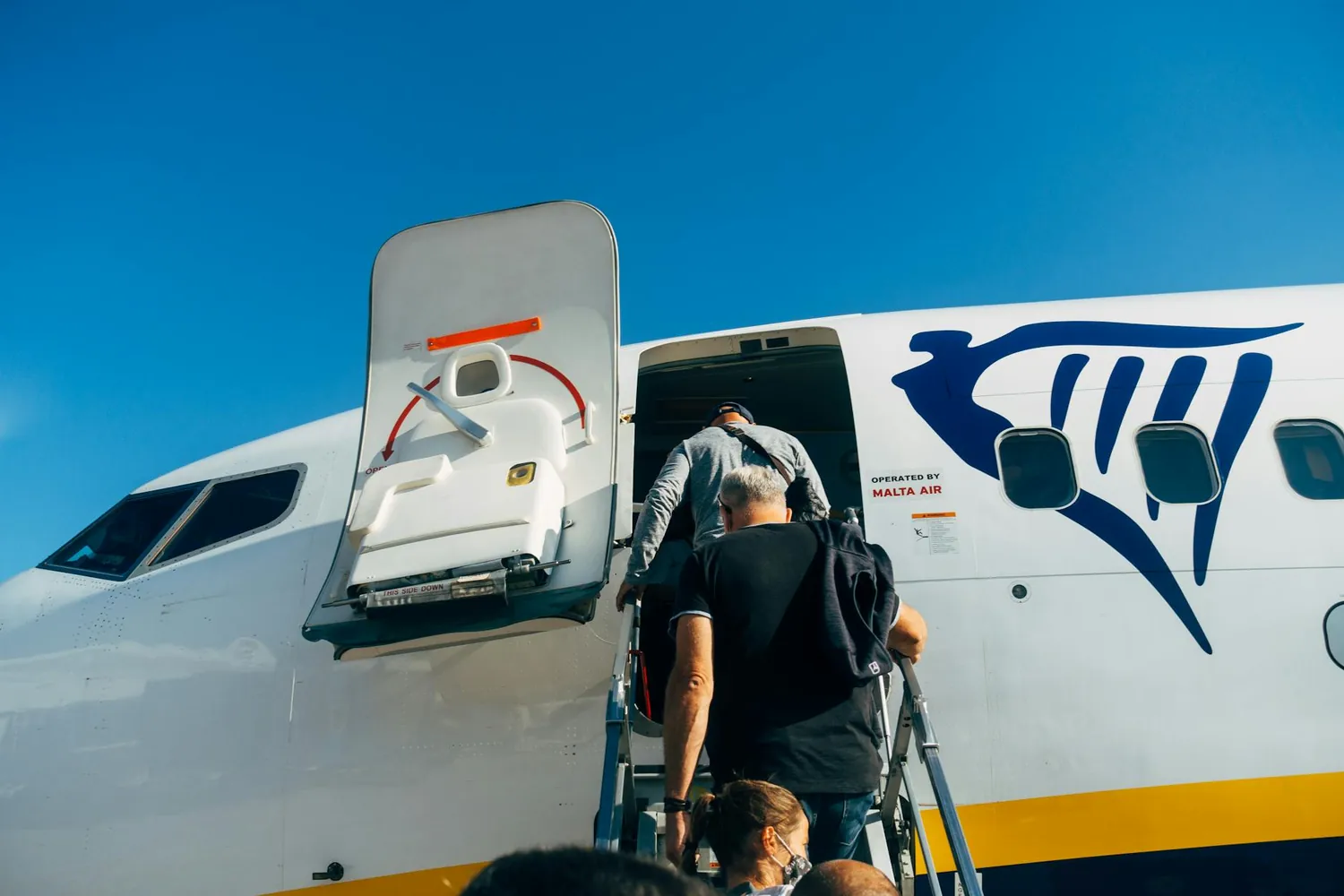
The Rise of Low-Cost Carriers and Their Influence on Travel
The travel industry has undergone a significant transformation with the rise of low-cost carriers (LCCs). Airlines like Ryanair, EasyJet, and Southwest have democratized air travel by offering budget-friendly options that have opened up the skies to a broader audience. This shift has had profound effects on how travelers plan, or rather don't plan, their journeys.
Traditionally, travel involved meticulous planning, often weeks or months in advance. However, the advent of LCCs has encouraged a new type of traveler—the impulsive planner. Let's delve into how these carriers have changed the landscape of last-minute travel decisions.
Case Study: A Spontaneous Trip to Barcelona
Consider the case of Laura, a 28-year-old marketing executive from London. On a particularly rainy Wednesday afternoon, she stumbled upon a flash sale by EasyJet—round-trip tickets to Barcelona for just £45. Without hesitation, she booked the trip for that weekend.
This impulsive decision was driven by several factors:
- Affordability: The low fare made the trip accessible, even on a tight budget.
- Flexibility: The option to book at the last minute without significant financial risk.
- Convenience: Direct flights meant minimal travel disruptions, perfect for a quick getaway.
Advantages of Impulsive Travel with Low-Cost Carriers
Low-cost airlines have revolutionized the spontaneity aspect of travel. Here are some advantages they offer:
- Cost-Effectiveness: The primary appeal is financial. Tickets can be bought at a fraction of the cost offered by traditional airlines, especially when taking advantage of promotions.
- Increased Destination Options: With many LCCs flying to lesser-known airports, travelers have more destinations to explore without breaking the bank.
- More Frequent Travels: Lower prices mean travelers can afford to fly more often, turning once-a-year vacations into monthly mini-breaks.
Challenges and Drawbacks
Despite the advantages, there are certain drawbacks to consider:
Hidden Fees
LCCs often compensate for low base fares with additional fees for baggage, seat selection, and even check-in processes. Travelers should budget for these extras to avoid unexpected costs.
Flight Inconveniences
Low-cost airlines sometimes operate from secondary airports located farther from city centers, increasing travel time and expense upon arrival. Additionally, delays and cancellations can be more common due to tighter scheduling.
Case Study: A Family's Adventure in Rome
The Thompson family decided on a whim to visit Rome over a long weekend. They found an attractive deal with Ryanair but encountered several obstacles:
- The departure airport was two hours away from their home.
- Baggage fees added significantly to their overall cost.
- A delay on their return flight left them stranded overnight without compensation.
Despite these challenges, they enjoyed an unexpected adventure that wouldn't have been possible without LCCs.
Navigating Impulsive Travel Successfully
To make impulsive travel more rewarding and less stressful, here’s a practical mini-framework:
Quick Impulsive Travel Framework
- Set Alerts: Use apps like Hopper or Skyscanner to set price alerts for potential destinations.
- Flexible Dates: Be prepared to fly mid-week or during off-peak times for the best deals.
- Packing Efficiency: Master packing with just a carry-on to avoid extra baggage fees and streamline your journey.
- Research Secondary Airports: Know your ground transport options from secondary airports to your final destination.
- Budget Buffer: Maintain a small travel fund for spontaneous trips and unexpected expenses.
The Future of Impulsive Travel
The trend toward impulsive travel is likely to grow as low-cost carriers expand their routes and offerings. As technology continues to simplify booking processes and personalize travel experiences, spontaneous trips will become increasingly attractive to those seeking flexibility and adventure without the constraints of traditional planning.