
navigating unexpected cancellations: a traveler’s checklist for support
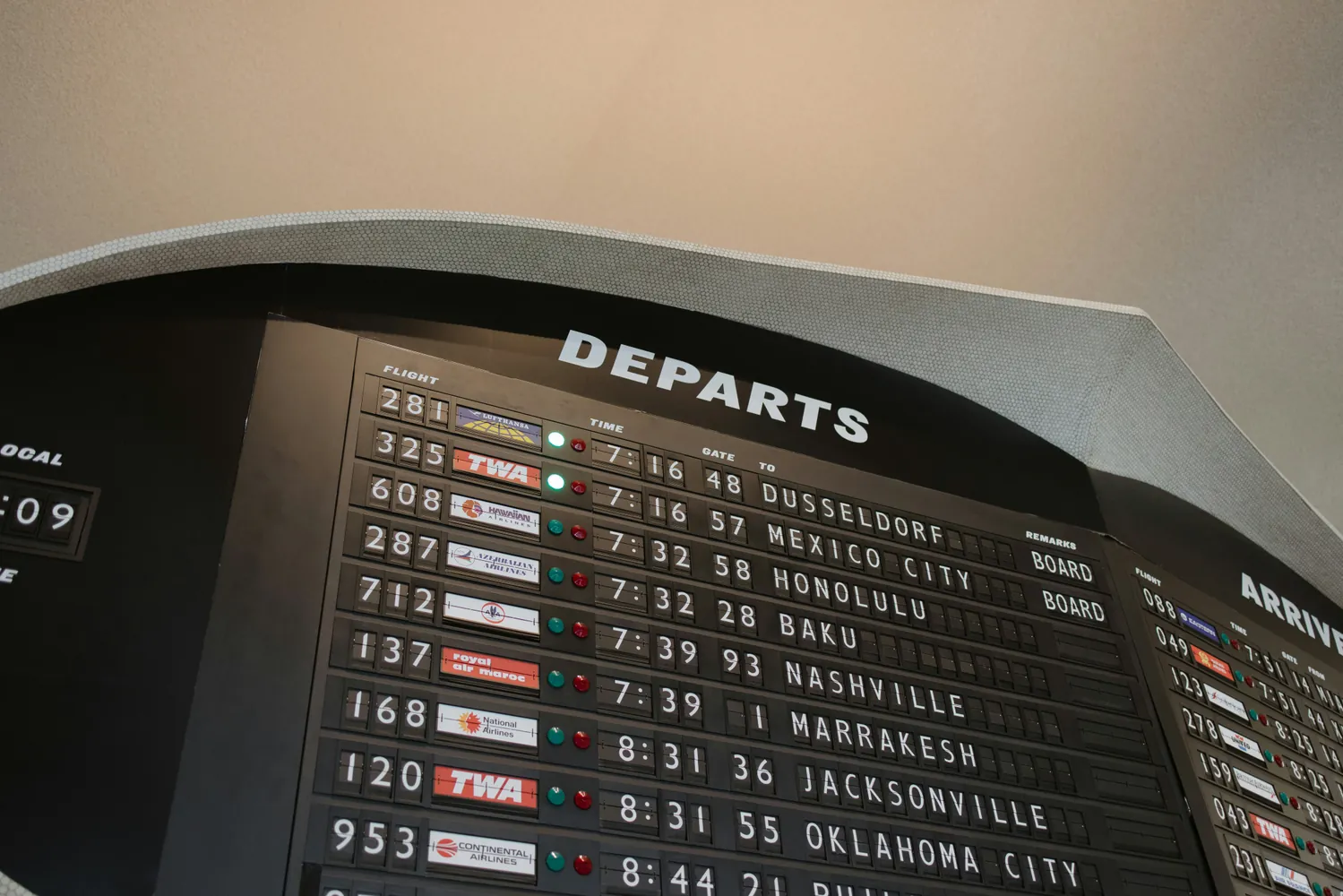
Understanding Flight Cancellations
Flight cancellations are an inevitable part of air travel. While modern technology has improved the reliability of flights, unforeseen circumstances such as adverse weather, technical issues, or air traffic delays can still lead to unexpected changes in plans. Understanding the typical reasons behind cancellations can help you better prepare and respond when they occur.
Common Causes of Flight Cancellations
- Weather Conditions: Severe weather such as thunderstorms, snowstorms, or fog can impact flight safety and schedules.
- Technical Malfunctions: Mechanical issues with aircraft are another common reason for delays and cancellations.
- Air Traffic Control: Overcrowded airspace can lead to delays or cancellations to manage traffic flow safely.
- Strikes: Labor strikes by airline staff or airport workers can disrupt normal operations.
Preparing for Possible Cancellations Before Your Trip
The best defense against the frustration of a cancelled flight is a good offense—preparation. Here are some steps to take before your journey begins to minimize the impact of potential disruptions.
Booking Smart
When booking your flights, there are several strategies you can use to reduce the chances of inconvenience due to cancellations.
- Select Reputable Airlines: Choose airlines with strong records of punctuality and customer service.
- Opt for Direct Flights: Whenever possible, select direct flights to avoid the complication of missing connecting flights due to delays or cancellations.
- Consider Travel Insurance: Purchase travel insurance that includes coverage for cancellations, providing peace of mind and financial protection.
Utilizing Technology
Use technology to stay informed and connected with real-time updates about your flight status and alternatives.
- Download Airline Apps: Most airlines offer mobile apps that provide instant updates about flight status, gate changes, and boarding times.
- Sign Up for Alerts: Register for text or email notifications from the airline for any changes or updates to your flight schedule.
Actions to Take When Your Flight Is Cancelled
If your flight is cancelled despite all precautions, remaining calm and knowing the immediate steps to take can significantly reduce stress and inconvenience.
Contacting the Airline
As soon as you learn of a cancellation, contact your airline immediately. Here’s how to navigate that process effectively:
- Use Multiple Channels: Call customer service while simultaneously using social media channels like Twitter for faster responses.
- Have Details Ready: Provide your booking reference number and personal identification details to expedite assistance.
Exploring Alternatives
When dealing with a cancellation, having alternative plans is essential. Here’s how to proceed:
- Rebooking Options: Ask about available options to rebook on the next flight with no additional charges.
- Exploring Other Airports: Consider nearby airports that may have available flights to your destination.
Your Rights as a Passenger
As an air traveler, you have certain rights when it comes to cancellations. Familiarizing yourself with these can empower you to demand fair treatment.
Understanding Compensation Policies
Laws regarding compensation for cancelled flights vary by region but often include the following provisions:
- Refunds: If no suitable rebooking option is available, you are typically entitled to a full refund of your ticket.
- Compensation for Delays: Depending on jurisdiction, you might receive compensation for significant delays (such as in the EU under EC 261/2004 regulation).
Lodging and Meal Vouchers
If your cancellation leads to an overnight delay, inquire about accommodations and meal vouchers from the airline. Policies vary but airlines frequently offer these amenities under certain circumstances.
Coping with Stress and Disruption
The emotional toll of cancelled flights can be significant, especially during busy travel seasons. Here are some tips for managing stress and maintaining a positive attitude.
Mental Strategies
A proactive approach to managing stress can help maintain your composure during disruptions.
- Breathe Deeply: Practice deep breathing exercises to calm nerves.
- Meditation Apps: Use meditation apps to regain focus and relax while waiting for updates.
Engaging in Productive Activities
If you’re stuck at the airport, use the time wisely:
- Catching Up on Work: Utilize the airport Wi-Fi to catch up on emails or work projects.
- Exploring Airport Amenities: Larger airports often have amenities like lounges, spas, or exercise facilities to pass the time constructively.