
Unveiling the Majestic Architecture of Angkor Wat in Cambodia
The Historical Significance of Angkor Wat
Angkor Wat, a UNESCO World Heritage site, stands as a testament to the architectural prowess and cultural richness of the Khmer Empire. Constructed in the early 12th century under the reign of King Suryavarman II, Angkor Wat originally served as a Hindu temple dedicated to the god Vishnu. Its transformation into a Buddhist temple in the late 13th century reflects the dynamic religious shifts in Southeast Asia.
The sheer size of Angkor Wat is staggering; it spans over 162 hectares, making it one of the largest religious monuments in the world. Its intricate bas-reliefs and towering spires are not just architecturally impressive but also tell stories of historical battles and religious epics, such as the Ramayana and Mahabharata.
Architectural Marvels: Design and Symbolism
Angkor Wat's design embodies the traditional Khmer architectural style, characterized by the harmonious fusion of symmetrical layouts and symbolic features. At its core, the temple complex mirrors Mount Meru, the mythical center of the universe in Hindu and Buddhist cosmology. The central tower rises majestically to symbolize this sacred mountain, flanked by four smaller towers representing the surrounding peaks.
Intricate Bas-Reliefs
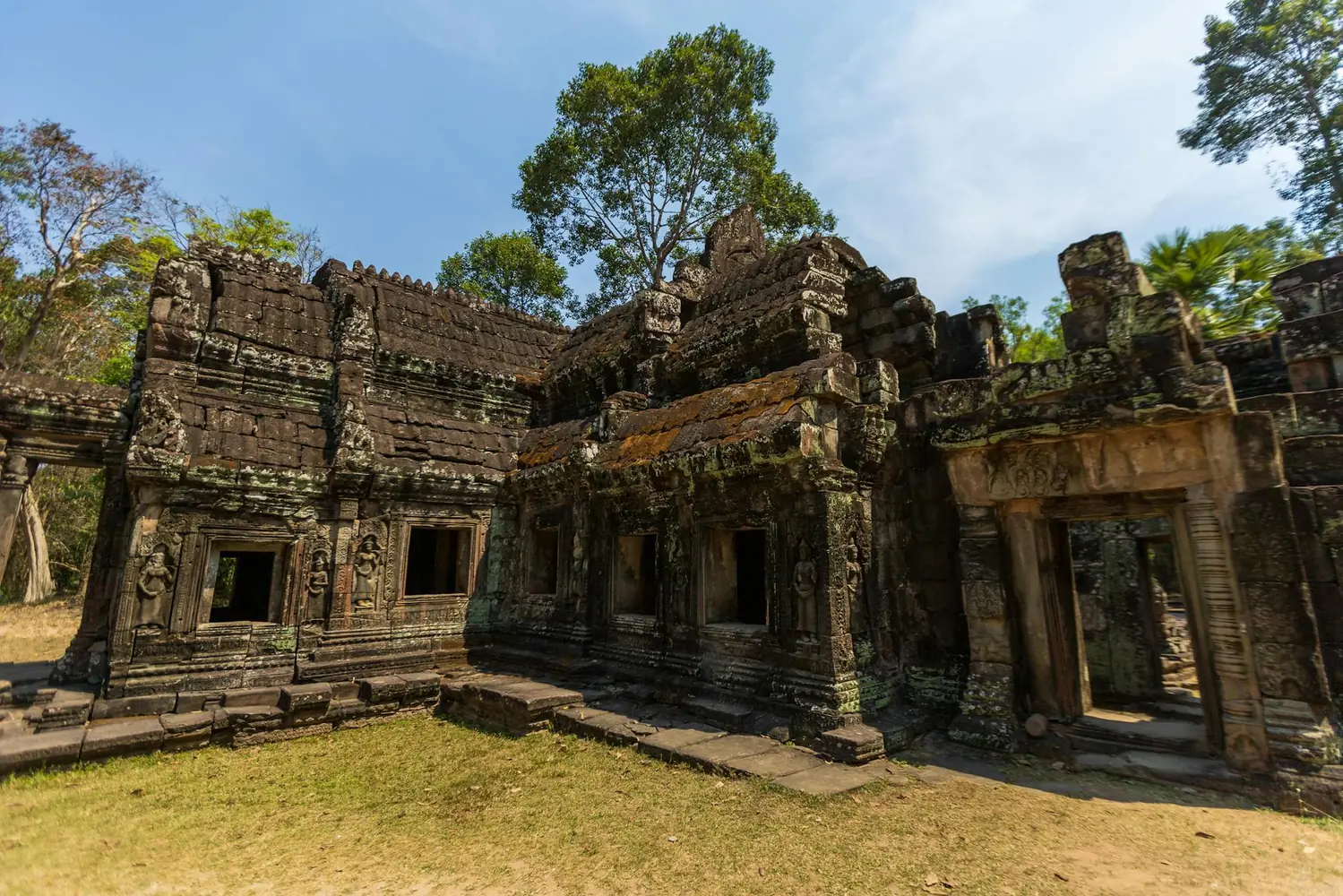
The bas-reliefs lining the walls of Angkor Wat are extraordinary in their detail and narrative depth. These carvings cover an area of over 1,200 square meters and depict various scenes, from the celestial Apsaras (heavenly nymphs) to historical events like the churning of the ocean of milk—a central episode in Hindu mythology symbolizing creation and cosmic renewal.
The Mastery of Khmer Engineering
One cannot discuss Angkor Wat without acknowledging the advanced engineering techniques employed by the Khmer builders. The sandstone blocks used for construction were transported from a quarry over 50 kilometers away, using an intricate system of canals. The precision with which these stones fit together, often without mortar, is a testament to their expertise.
Best Times to Visit Angkor Wat
To fully appreciate Angkor Wat's splendor, timing your visit is crucial. The dry season, from November to March, is generally considered the best time to explore, offering cooler temperatures ranging from 25°C to 30°C. However, this is also peak tourist season, so visitors can expect larger crowds.
For those who prefer quieter experiences, the shoulder months of April and October offer a balance between manageable weather conditions and reduced tourist numbers. The wet season (May to October), while more humid with temperatures averaging between 28°C and 32°C, provides lush landscapes that can enhance the visual experience of Angkor Wat.
Tips for Cultural Etiquette
- Dress Modestly: As a site of religious significance, it is essential to dress modestly when visiting Angkor Wat. This means wearing clothing that covers shoulders and knees.
- Respect Local Customs: Always show respect for local customs by behaving appropriately within temple grounds. Avoid loud conversations and ensure mobile devices are set to silent.
- Photography Etiquette: While photography is allowed, be mindful of your surroundings. Refrain from using flash when photographing murals and be considerate of other visitors.
Practical Tips for Exploring Angkor Wat
Navigating Angkor Wat's expansive grounds can be daunting. Here are some practical tips to make your visit smoother:
- Start Early: Arriving early not only allows you to witness the breathtaking sunrise over Angkor Wat but also lets you explore before the midday heat intensifies.
- Hire a Guide: Engaging a knowledgeable guide can enrich your visit with historical context and uncover details you might otherwise miss.
- Stay Hydrated: Carry plenty of water, as exploring can be physically demanding under Cambodia's tropical climate.
Conclusion
Angkor Wat is more than just an architectural masterpiece; it is a living relic of Cambodia's rich history and spiritual heritage. Whether you are drawn by its history, art, or engineering marvels, visiting Angkor Wat offers a unique glimpse into a world where architecture meets mythology. By planning your visit carefully and respecting cultural norms, you will ensure a meaningful experience at one of humanity's greatest wonders.