
A Detailed Look at the Cultural Offerings of Tokyo Compared to Kyoto
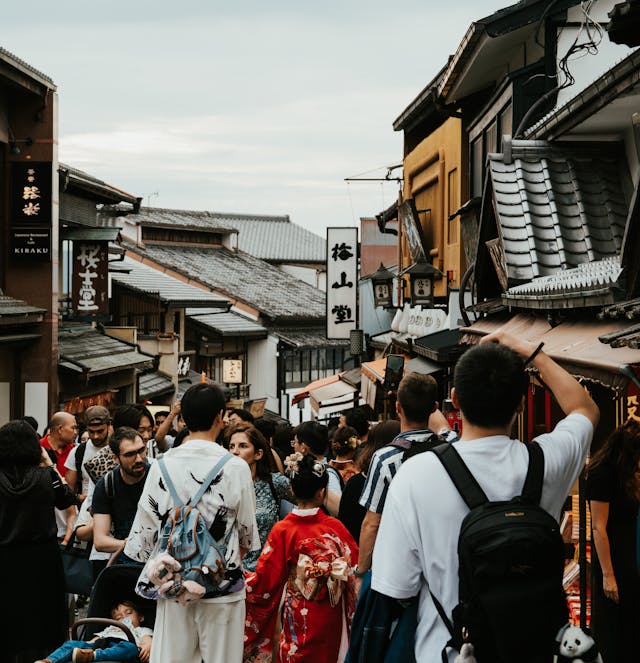
Tokyo and Kyoto: A Tale of Two Cities
Japan is a land of contrasts, where the ultramodern seamlessly blends with the ancient. Nowhere is this more evident than in Tokyo and Kyoto, two cities that stand as cultural beacons yet offer distinctly different experiences. Tokyo, the bustling capital, is a hub of innovation, technology, and contemporary art. In contrast, Kyoto serves as a window into Japan's past, rich with tradition, serene temples, and classical art forms.
The Modern Hustle of Tokyo
Art and Innovation
Tokyo is a city that never sleeps, constantly evolving with cutting-edge trends and artistic expressions. The Mori Art Museum in Roppongi Hills showcases contemporary art exhibitions featuring both Japanese and international artists. It offers a panoramic view of the city skyline, symbolizing the fusion of modern art and urban life.
For those intrigued by avant-garde digital experiences, teamLab Borderless in Odaiba offers an immersive art experience that defies traditional boundaries. This digital museum transforms space with light installations, creating interactive works that respond to visitor movements—a perfect example of Tokyo’s embrace of technology.
Culinary Adventures
Food in Tokyo is an adventure in itself. The city boasts more Michelin-starred restaurants than any other city in the world. From high-end sushi at Sukiyabashi Jiro to the eclectic street food at Tsukiji Outer Market, culinary options abound for all tastes and budgets. Exploring Nakamise Street in Asakusa offers an opportunity to savor traditional snacks like senbei (rice crackers) and dango (sweet dumplings).
Traditional Practices Revitalized
Even amidst its modernity, Tokyo retains traditional practices in new forms. The annual Sanja Matsuri in Asakusa brings ancient Shinto practices to the bustling streets, featuring lively parades and sacred rituals. Visitors can also witness sumo wrestling tournaments at Ryogoku Kokugikan, where the ancient sport is preserved and celebrated.
The Historical Serenity of Kyoto
Preservation of Art and History
Kyoto stands as Japan’s repository of history, home to over 1,600 Buddhist temples and countless Shinto shrines. The famous Kinkaku-ji, or Golden Pavilion, captivates visitors with its gold-leaf façade reflecting off the tranquil pond it overlooks. A visit to Nijo Castle provides insight into feudal Japan, complete with “nightingale floors” designed to squeak underfoot as a defense against intruders.
For art enthusiasts, Kyoto offers traditional crafts such as Kyo-yaki ceramics and elegant Nishijin-ori textiles, each with centuries-old techniques still practiced by local artisans.
Cuisine Rooted in Tradition
The culinary scene in Kyoto is steeped in tradition, emphasizing seasonal ingredients and meticulous preparation. One must experience Kaiseki ryori, a multi-course meal that highlights the natural flavors and aesthetics of local produce. Restaurants like Kikunoi provide diners with a sensory journey through dishes crafted with precision and artistry.
For a simpler yet equally authentic experience, visit Nishiki Market, where you can taste a variety of traditional Kyoto delicacies such as pickled vegetables and handmade tofu.
Time-Honored Traditions
Kyoto is renowned for its living traditions. Attend a tea ceremony at one of the historic tea houses in Gion to witness the graceful etiquette involved in this quintessentially Japanese practice. Moreover, seasonal festivals such as the Aoi Matsuri and Gion Matsuri illustrate the city's dedication to preserving cultural heritage through elaborate parades and ceremonial displays.
Choosing Between Tokyo and Kyoto
The choice between visiting Tokyo or Kyoto largely depends on personal preferences. For those seeking high-energy excitement and contemporary culture, Tokyo offers endless opportunities to immerse oneself in fast-paced urban life. However, if tranquility and historical depth are more appealing, Kyoto provides a more serene setting to explore Japan’s rich heritage.
Each city has its own unique charm and distinct advantages:
- Pros of Visiting Tokyo: Dynamic arts scene, diverse dining options, vibrant nightlife.
- Cons of Visiting Tokyo: Can be overwhelming due to its size and pace.
- Pros of Visiting Kyoto: Rich historical atmosphere, well-preserved traditions, scenic landscapes.
- Cons of Visiting Kyoto: Fewer options for contemporary entertainment.
Practical Tips for Travelers
For travelers planning to experience both cities, consider purchasing a JR Pass, which allows unlimited travel on Japan Railways lines. When in Tokyo, utilize the efficient metro system to navigate the sprawling metropolis. Conversely, Kyoto is best explored by renting bicycles or using buses to reach its more remote temples and gardens.
Lodging choices vary greatly between the two cities. In Tokyo, high-rise hotels in Shinjuku or Shibuya offer modern amenities close to shopping and entertainment. In Kyoto, traditional ryokan, or inns, provide an authentic stay with tatami mats and communal baths—a glimpse into traditional Japanese hospitality.
The Final Verdict
The cultural offerings of Tokyo and Kyoto reflect two sides of Japan: one leaping into the future while the other holds steadfast to its past. Whether your interest lies in futuristic technology or timeless tradition, each city presents a wealth of experiences that make them both indispensable stops on any Japanese itinerary.