
Pros and Cons of Camping vs Hostels for Budget Travel
The Cost Factor
When traveling on a budget, the cost of accommodation is often the biggest concern. Both camping and hostels offer cost-effective solutions, but each comes with its own financial considerations.
Camping: A Minimalistic Approach
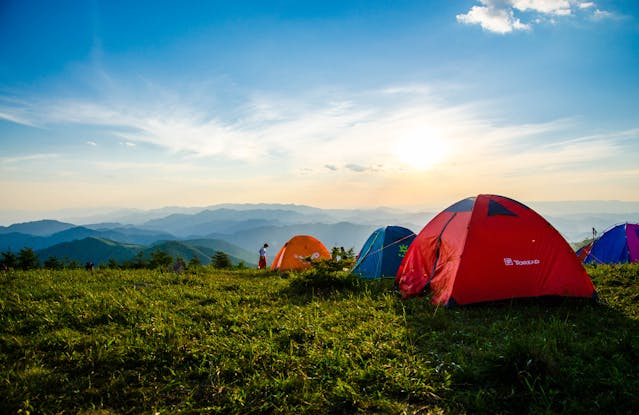
Camping can be incredibly cheap, especially if you're willing to rough it in the wilderness. Many national parks and rural areas offer free or very low-cost camping sites. However, you might need to invest in quality gear upfront, like tents and sleeping bags. For example, a good tent can cost anywhere from $50 to $200, depending on your needs and the brand.
- Pros: Potentially free campsites, self-sufficiency in terms of food and shelter.
- Cons: Initial investment in gear, potential additional costs for camping permits.
Hostels: Pay Per Night
In contrast, hostels offer an easier entry point for budget travelers. Prices can vary widely based on location and amenities. In Europe, hostel beds range from €10 to €30 per night. While not free, hostels provide essential services such as showers and kitchens, reducing the need to spend on dining out.
- Pros: No need for gear, access to facilities.
- Cons: Cumulative costs over extended stays.
Social Experiences
Traveling isn't just about the sights; it's also about the people you meet along the way. Both camping and hostels offer distinct social experiences.
The Hostel Vibe
Hostels are renowned for their vibrant social scenes. With communal kitchens, lounges, and organized events like pub crawls or walking tours, hostels make it easy to meet fellow travelers. For instance, the popular Generator Hostels chain organizes themed parties that facilitate interaction among guests.
- Pros: Easy to make friends, cultural exchange.
- Cons: Possible lack of privacy, noise levels.
The Solitude of Camping
Camping tends to be more solitary unless you're at a popular site or a group campsite. It's ideal for those who enjoy solitude or want to connect more deeply with their travel companions. However, organized camping tours or shared campsites can also offer social opportunities similar to hostels.
- Pros: Privacy, peaceful surroundings.
- Cons: Less opportunity for socializing unless organized.
Comfort Levels
The level of comfort you desire while traveling can heavily influence your choice between camping and hostels.
The Bare Essentials of Camping
Camping offers limited amenities, which can be a pro or a con depending on your perspective. Being close to nature is refreshing, but comfort levels can be low if you're not used to outdoor living. Sleeping on uneven ground or dealing with inclement weather can be challenging. Campers should be prepared with proper equipment such as sleeping pads or hammocks to enhance comfort.
- Pros: Immersive natural experience.
- Cons: Lack of modern amenities, weather-dependent comfort.
The Basic Luxuries of Hostels
Hostels provide basic comforts like a bed, bathroom facilities, and sometimes breakfast. They vary in quality; some are akin to budget hotels with private rooms available at a higher rate. Despite these conveniences, shared bathrooms and dormitories might not suit everyone's taste for privacy or cleanliness standards.
- Pros: Basic amenities guaranteed, varied room options.
- Cons: Potentially crowded spaces, variable hygiene standards.
Location Flexibility
Your choice may also depend on the destinations you plan to visit. The availability of campsites versus hostels can vary dramatically by region.
Campsite Locations
Campsites are generally located in rural or remote areas, which is perfect if you aim to explore nature trails, mountains, or beaches. However, urban areas seldom offer camping options within city limits, limiting your ability to explore cities without commuting.
- Pros: Access to nature spots.
- Cons: Limited urban accessibility.
Urban-Centric Hostels
Hostels are often centrally located within cities or towns, providing easy access to urban attractions and public transport. This convenience is advantageous for travelers interested in cultural landmarks, dining experiences, and nightlife.
- Pros: Proximity to urban attractions.
- Cons: May not offer proximity to natural landscapes.
A Mini-Framework for Choosing Between Camping and Hostels
If you’re still undecided on whether to camp or stay in hostels during your budget travels, here’s a simple framework you can use:
- Assess Your Budget: Calculate total estimated costs for both options including gear rentals or purchases (for camping) against nightly rates (for hostels).
- Consider Your Social Preferences: Do you value solitude or social interaction? Your preference here could tip the scale towards camping or hostelling.
- Evaluate Comfort Needs: Decide how much comfort you require; consider how comfortable you are with basic amenities versus a more rustic setup.
- Map Your Route: Look at your itinerary: Are you visiting mostly rural areas or major cities? Choose accordingly based on the availability of campgrounds or hostels en route.
- Create a Hybrid Plan: If possible, consider mixing both options. Use hostels in cities and camp when exploring nature for the best of both worlds.
Conclusion
The decision between camping and staying in hostels largely depends on personal preferences and travel plans. By weighing factors such as cost, social dynamics, comfort level, and location flexibility, budget travelers can make informed choices that align with their travel style and goals. Ultimately, both methods offer unique experiences that enrich any journey — whether it involves waking up beneath a canopy of stars or enjoying a bustling international breakfast table at a hostel.